
A lot of homeowners view a heavily shaded yard as a landscaping challenge. If you are struggling under a dense canopy of oaks, maples, or pines, you might feel discouraged by patchy lawn grass or struggling exotic shrubs.
But out here in Western North Carolina, we look at shade a little differently. Our mountain forests are home to some of the richest woodland plant communities in the entire world. When you embrace a shady yard, you aren’t dealing with a limitation, you are sitting on an incredible opportunity to recreate a cool, serene, forest floor right outside your back door.
Shade-loving native plants bring amazing textures, delicate blooms, and a lush, layered feeling that sun-baked yards can only dream of. Here are three native champions that will turn your dark corners into a vibrant woodland retreat.
1. Christmas Fern (Polystichum acrostichoides)
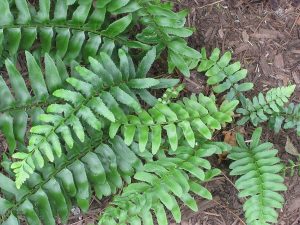
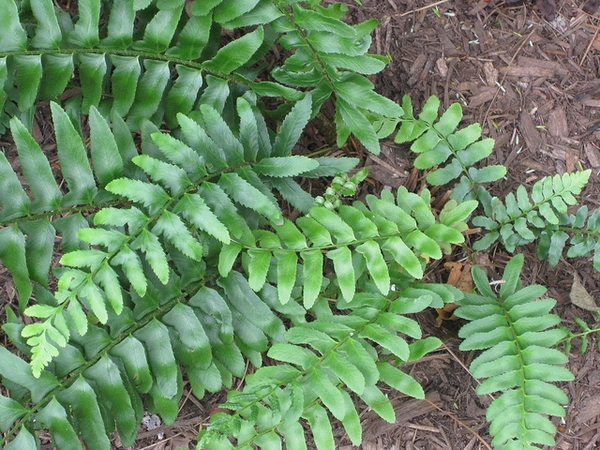
If you want to banish the winter blues, you need the Christmas Fern. This glossy, deep green fern gets its name because it stays vibrant and green all through the holiday season and right through the winter snows.
- Why we love it: It features a neat, arching clump habit that provides fantastic structure. Even better, its tough root system makes it an excellent choice for stabilizing shaded slopes or preventing soil erosion on tricky banks.
2. Green and Gold (Chrysogonum virginianum)
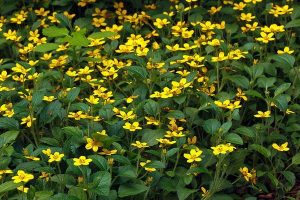
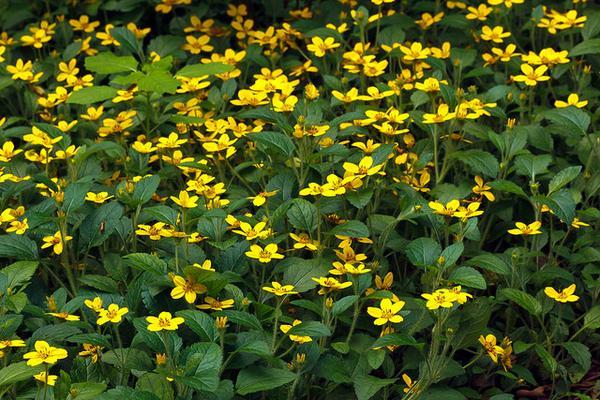
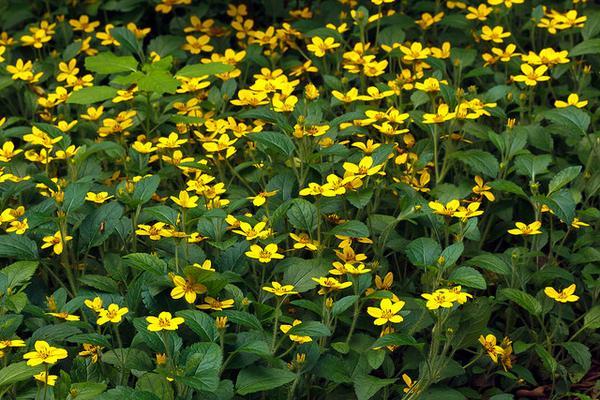
If you want a ground cover that brings a splash of pure sunshine to your deep shade, look no further than Green and Gold. This low-growing, semi-evergreen beauty hugs the forest floor, forming a lush mat of fuzzy, bright green leaves that effortlessly crowds out unwanted weeds.
- Why we love it: While many shade ground covers rely entirely on their leaves for interest, Green and Gold rewards you with a cheerful carpet of star-shaped, bright yellow flowers from spring right into early summer. It is incredibly hardy, behaves beautifully without spreading aggressively, and serves as a vital early-season nectar source for native bees waking up from winter.
3. Coral Bells (Heuchera americana)
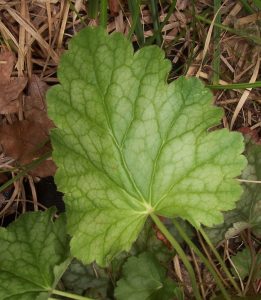
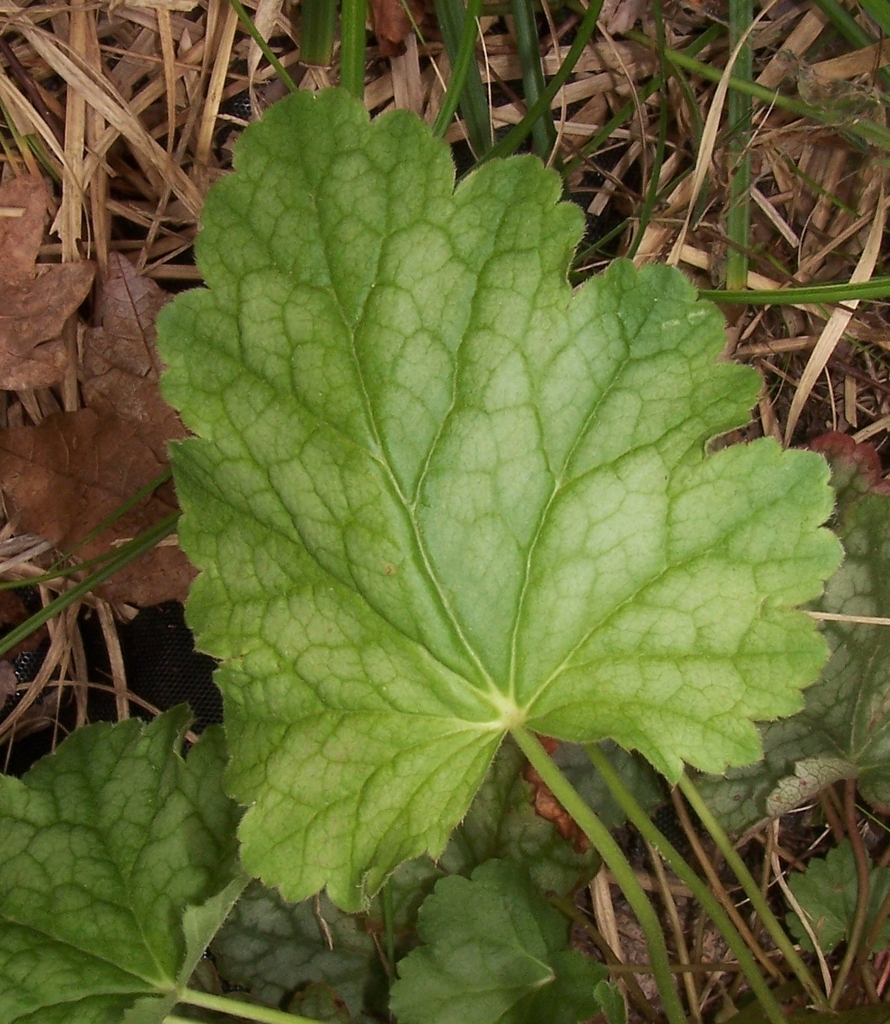
While many shade plants are grown strictly for their leaves, our native American Alumroot (Coral Bells) gives you the best of both worlds. Its foliage features stunning prominent veining, and in late spring, it sends up airy, delicate wands of tiny flowers that seem to float in the shade.
- Why we love it: Those tiny, tubular flowers might look small to us, but to a migrating ruby-throated hummingbird, they look like a five-star dinner. It is a fantastic choice for adding vertical elegance to a shady border.
Designing Your Shady Oasis
When planting for the shade, think in layers. Mix the bold, broad leaves of Wild Ginger with the delicate, feathery fronds of ferns to create visual contrast. Come visit us at Carolina Native Nursery, wander through our shaded hoop houses, and let’s pick out a forest-floor palette tailored to your home.