
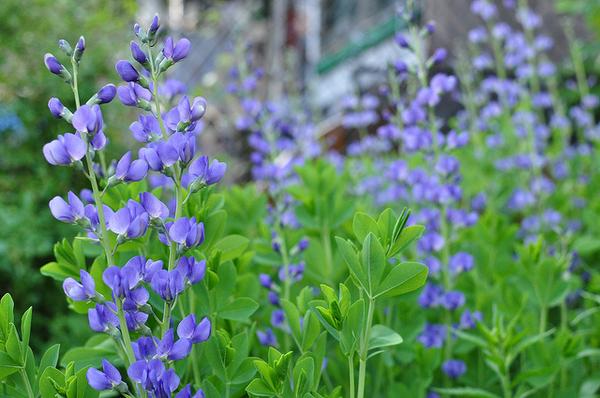
There is nothing quite like a North Carolina summer. But while we are escaping inside to the sweet relief of the air conditioner, our garden beds are out there taking the full brunt of the southern heat and humidity.
If your yard feels like a blank canvas of wide-open, baking sunshine, you might think your plant options are limited to high-maintenance exotic annuals. Good news: our local ecosystems have already done the hard work for you. For thousands of years, North Carolina’s native flora has adapted to thrive right through our intense summer heat waves.
By planting sun-loving natives, you aren’t just saving yourself from a massive watering bill; you are rolling out the welcome mat for the local bees, butterflies, and songbirds that keep our ecosystem vibrant. Here are a few of our absolute favorite sun-worshippers to plant this season.
1. Purple Coneflower (Echinacea purpurea)
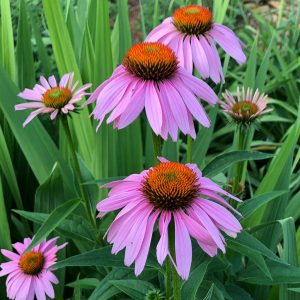
You can’t talk about a sunny native garden without mentioning the undisputed king of the meadow: Purple Coneflower. This tough-as-nails perennial handles the poorest clay soils and the most intense heat with absolute grace.
- Why we love it: Its bold, pinkish-purple petals and raised orange centers are a magnet for native pollinators, especially the Eastern Tiger Swallowtail (our state butterfly!).
- Bonus tip: When the blooms fade in autumn, leave the dry seed heads standing. Local goldfinches love to cling to the stalks and feast on the seeds all winter long.
2. Wild Indigo (Baptisia australis)
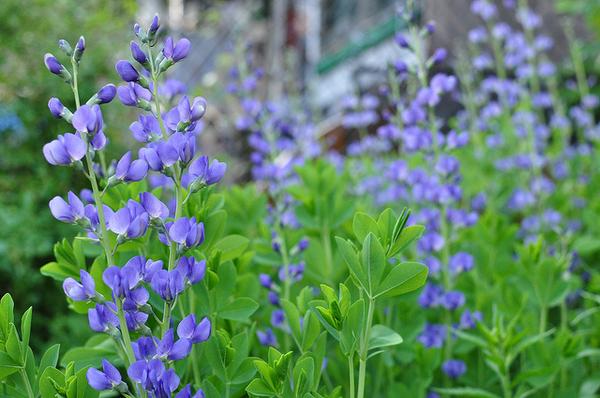
If you need a structural anchor for your sunny beds, Blue Wild Indigo is a spectacular choice. In early spring, it sends up deep blue-purple flower spikes that look like native lupines, followed by beautiful blue-green foliage that stays clean and attractive all season.
- Why we love it: Thanks to a deep taproot system, once Baptisia settles into your yard, it is incredibly drought-tolerant. It also acts as a host plant for several native sulfur butterfly species.
3. Butterfly Weed (Asclepias tuberosa)
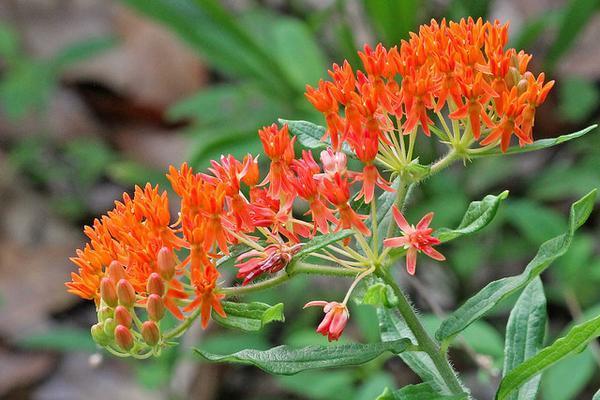
Want to inject a vivid pop of neon color into your landscape? Look no further than this compact, sun-loving milkweed. Its brilliant clusters of bright orange flowers bloom from June through August, laughing in the face of dry, rocky, or sandy soil.
- Why we love it: It is a critical, mandatory host plant for Monarch butterfly caterpillars. Planting Asclepias is one of the single most impactful things you can do for conservation right in your own neighborhood.
Bring the Sunshine Home
The beauty of a sunny native garden is that it gets better year after year. As these plants develop deep root systems, they require less supplemental water and zero chemical fertilizers. Stop by the nursery this week to see what’s blooming and let us help you find the perfect mix for your open spaces!