
Every property seems to have one: that frustrating, low-lying spot where stormwater pools after a heavy North Carolina downpour. Maybe it’s a soggy ditch along the driveway, an area underneath a leaky downspout, or a swampy patch backyard that stays muddy for days on end.
Trying to mow these areas is a nightmare, and traditional landscape plants usually end up suffering from root rot.
Instead of fighting the water, why not let nature manage it? In the wild, areas like stream banks, bogs, and wetlands are packed with specialized plants that love having “wet feet.” These species act like nature’s sponges, their massive, thirsty root systems drink up excess water, filter out road pollutants, and anchor the soil to stop erosion in its tracks. Taming a wet spot is the perfect excuse to build a gorgeous, functional rain garden. Here are three wet-area native powerhouses you can plant today.
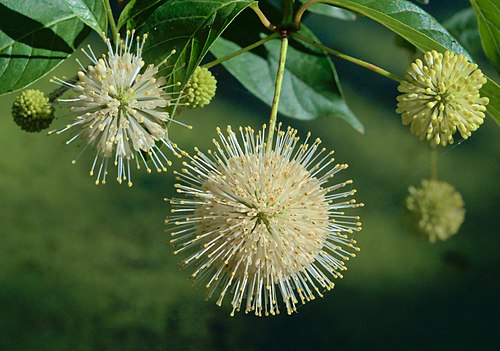
1. Buttonbush (Cephalanthus occidentalis)
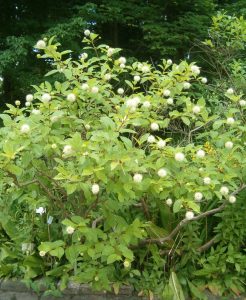
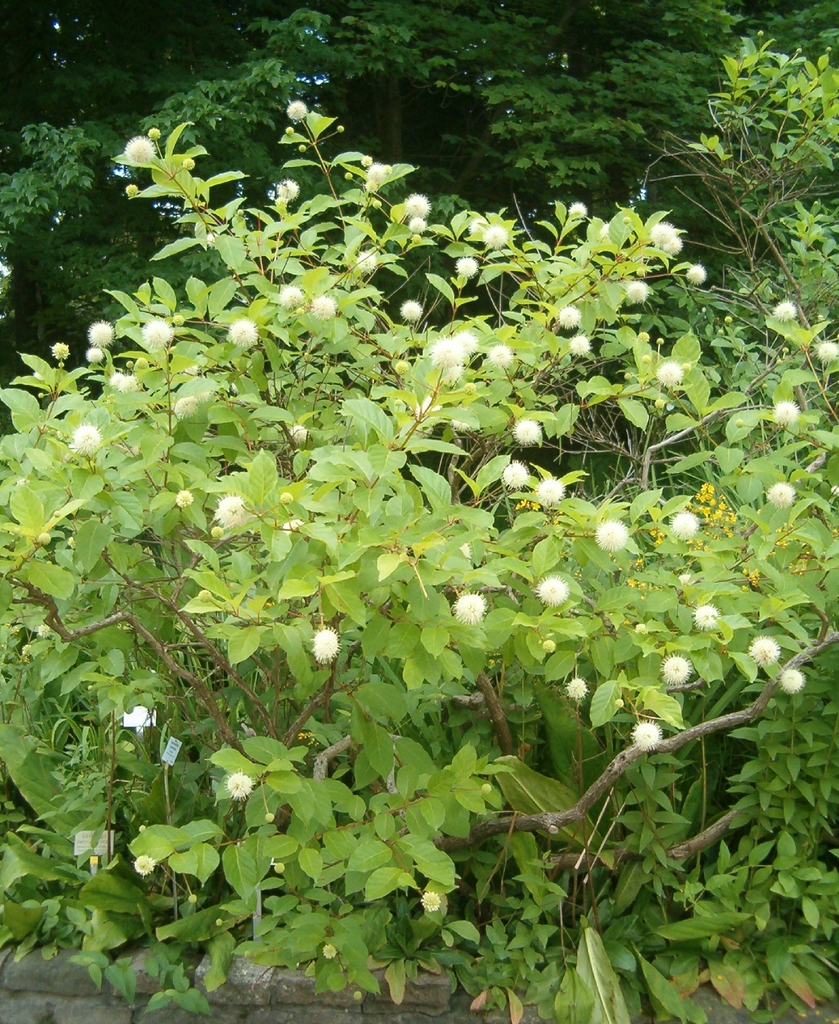
Buttonbush is a moisture-loving deciduous shrub that deserves a spot in more home gardens. It absolutely thrives in wet soil, standing water, and low spots that never seem to dry out.
- Why we love it: In mid-summer, it produces incredibly unique, pin-cushion-like spherical white flowers that look like little alien satellites. These highly fragrant blooms are a magnet for dozens of species of butterflies.
2. Cardinal Flower (Lobelia cardinalis)
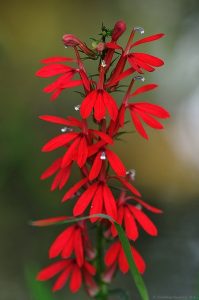
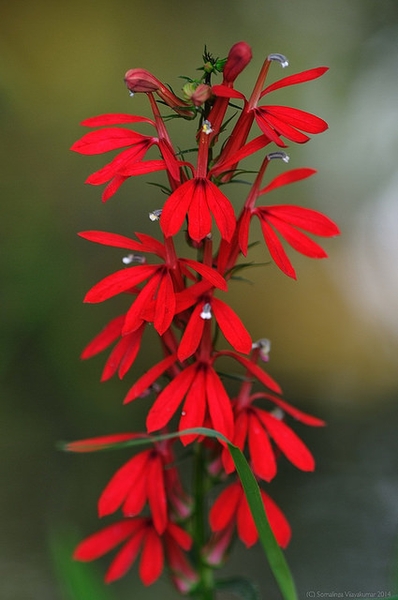
If you want to add jaw-dropping visual drama to a damp ditch or rain garden, Cardinal Flower is your answer. This perennial sends up breathtaking, absolute-scarlet spikes of flowers from late summer into autumn, right when the rest of the garden is starting to tire out.
- Why we love it: True red is a rare color in the native plant world, and it happens to be the favorite color of the ruby-throated hummingbird. Planting a cluster of these in a wet spot is a guaranteed way to spot hummers darting around your yard.
3. Blue Flag Iris (Iris virginica)
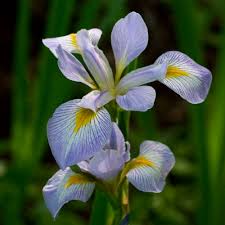
Bring a classic, elegant look to your wet zones with our native wetland iris. Boasting striking, sword-like foliage, it produces spectacular violet-blue flowers with bright yellow and white throats in late spring.
- Why we love it: It loves shallow standing water or rich, mucky soils where other plants fail entirely. It adds a sophisticated architectural element to ponds, water features, or low drainage areas.
Let Your Yard Absorb the Rain
Transforming a muddy problem area into a thriving native rain garden turns a chore into an environmental win. These plants will happily take care of the water management so you can sit back and enjoy the butterflies. Stop by Carolina Native Nursery this week, tell us about your soggy spot, and let’s get your rain garden started!