
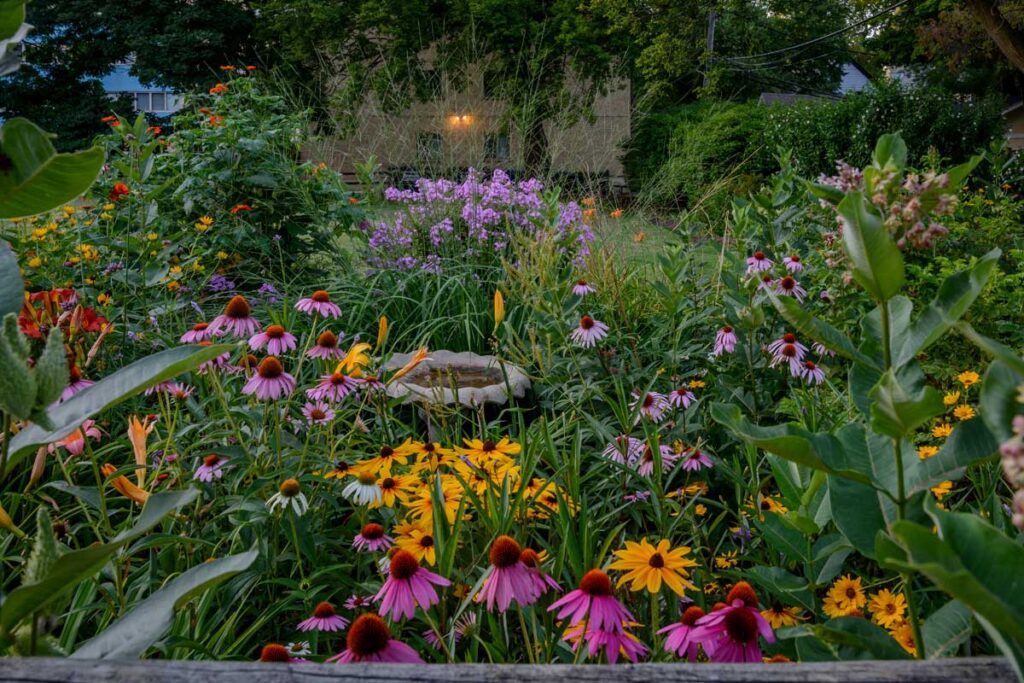
July in the Carolinas is gorgeous, but there’s no denying it, it’s hot. While we are escaping inside to the sweet relief of the air conditioning, our gardens are out there weathering the highest temperatures and brightest sun of the year.
Because native plants feature deep, well-established root systems designed for our local soils, they are inherently more resilient than exotic, highly cultivated garden center varieties. However, the peak of summer still requires a little strategic care to keep your landscape looking pristine.
Whether you’ve recently planted some of our signature native azaleas or you are maintaining an established perennial bed, here is your July native plant care playbook:
1. Water Deeply, Not Frequently
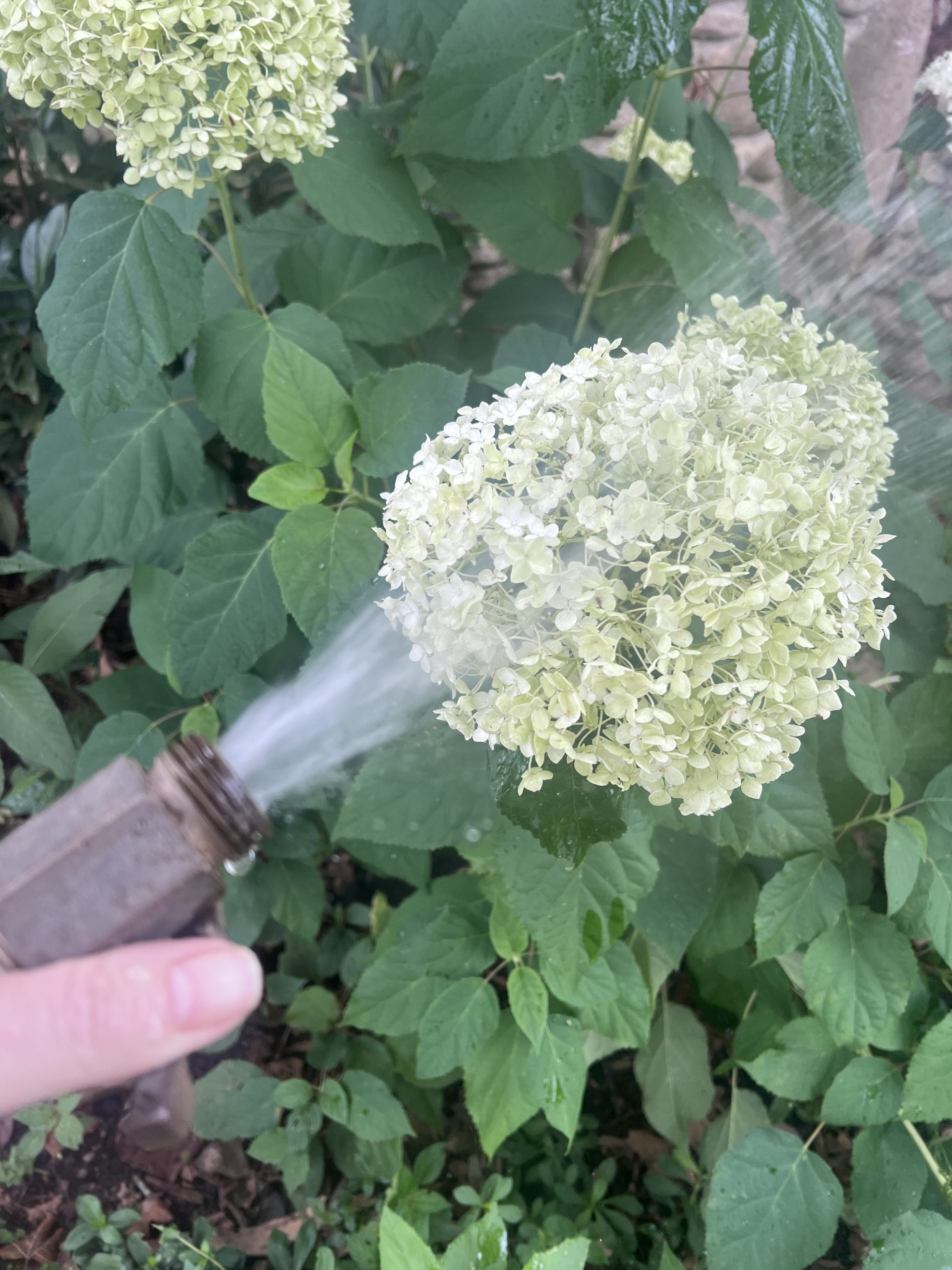
In July, evaporation rates are sky-high. Sprinkling your plants with a light misting every day does more harm than good, encouraging shallow root growth. Instead, water deeply and less frequently. Give your plants a thorough soaking at the base early in the morning. This allows the moisture to sink deep into the clay or loam before the afternoon sun can steal it away, encouraging roots to grow downward where the soil stays cooler.
2. Maintain a Thick Blanket of Mulch
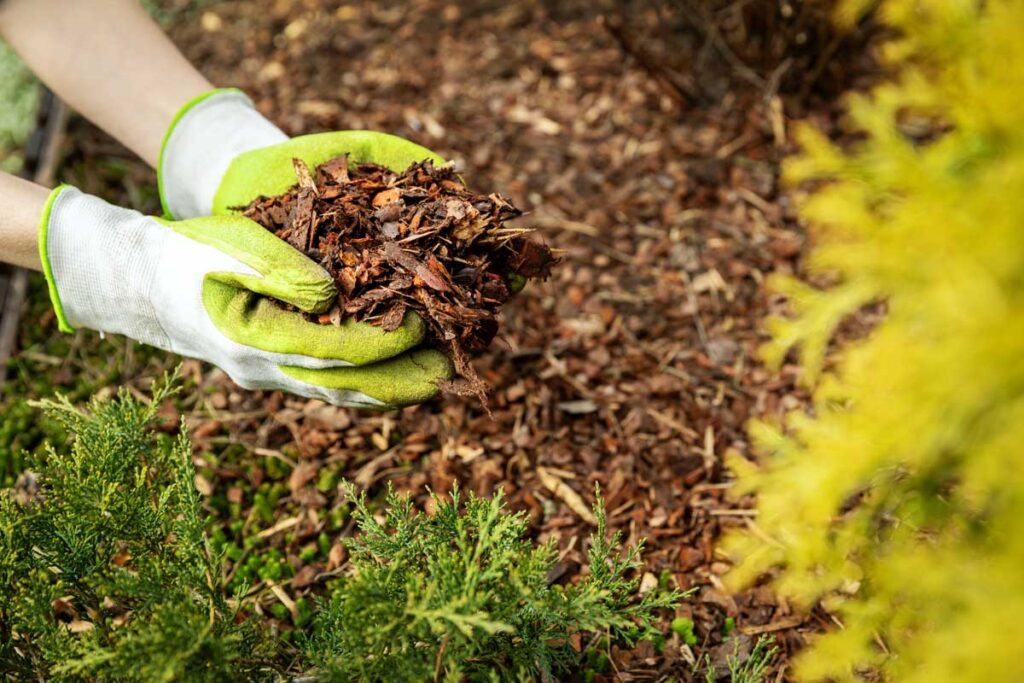
Think of mulch as a climate-control system for your soil. A 2-to-3-inch layer of organic mulch (like shredded hardwood or pine needles) is critical in July. It acts as a shield against the baking sun, locks in precious soil moisture, and suppresses the summer weeds that compete with your native plants for nutrients. Just remember to keep the mulch a few inches away from the actual stems or trunks of your shrubs to prevent moisture buildup against the bark.
3. Hold Off on Heavy Pruning and Fertilizer
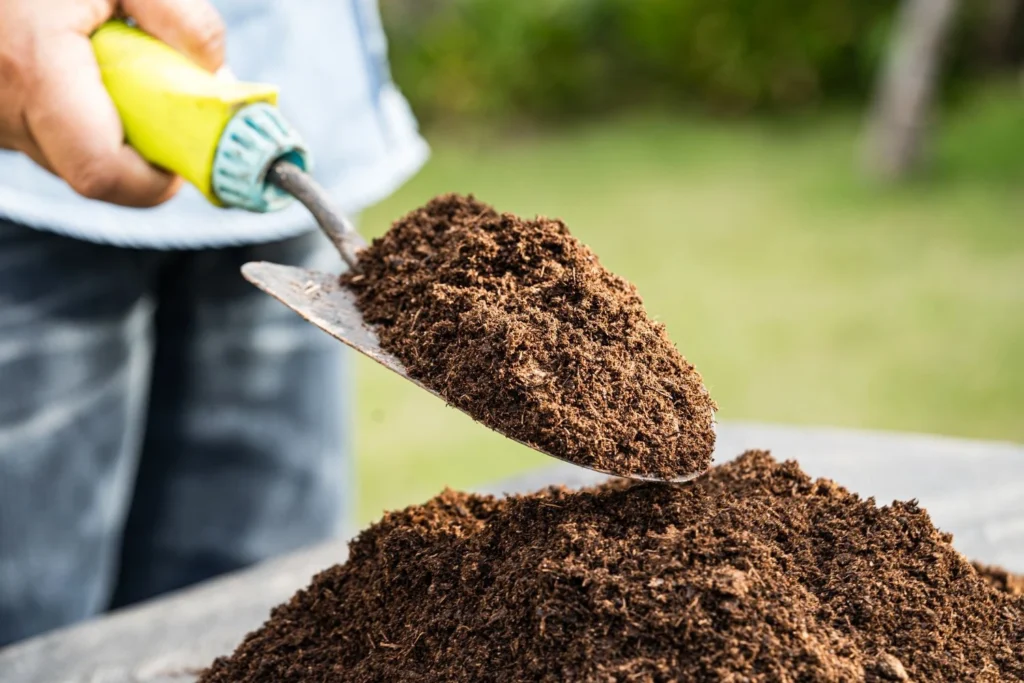
When a plant is working hard to handle July heat, pushing out a flush of tender, new growth takes a lot of energy. Avoid heavy pruning or applying high-nitrogen fertilizers right now. Fertilizer forces the plant to focus on new foliage, which is highly susceptible to heat stress and drought damage. Let your plants focus their energy on maintaining their current structure and deep root systems. Save the major shaping for late fall or winter!
4. Deadhead for Round Two (Or Leave the Seeds for the Birds!)
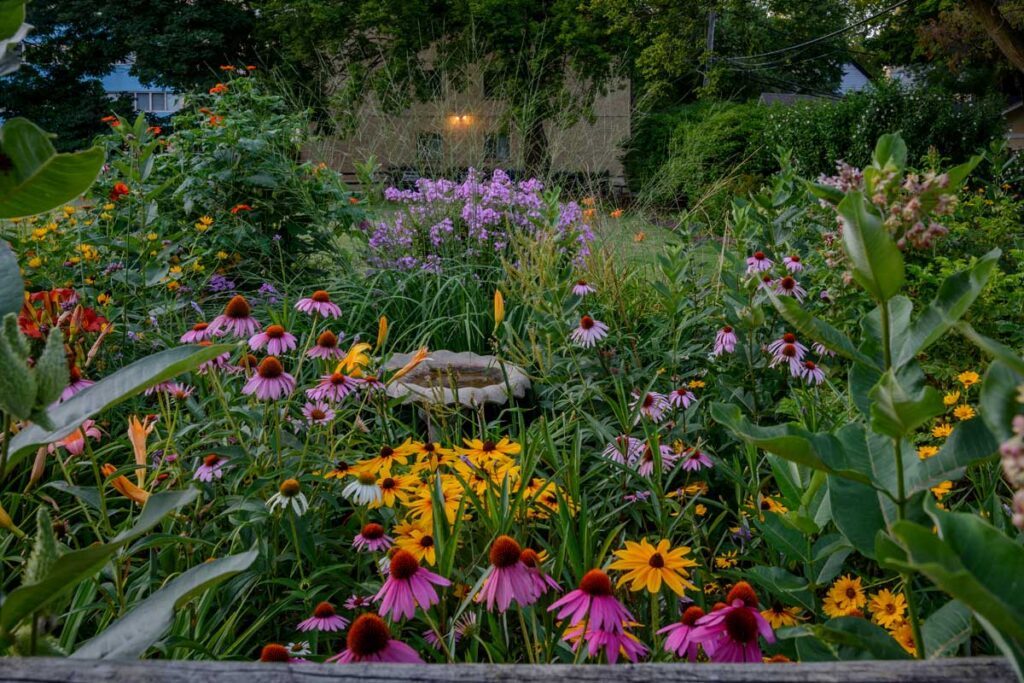
For perennials like Coneflowers and Coreopsis, removing spent, faded blooms (deadheading) encourages the plant to channel its energy into a second flush of late-summer flowers. However, here’s a pro-tip: if you want to support local wildlife, leave some of those late-July seed heads intact. American Goldfinches and other native birds will thank you for the natural feast as late summer turns to autumn.
Keep Growing with Us Summer gardening doesn’t have to be a struggle. With the right care and the right plants, your yard can thrive all season long.
Have questions about how your native shrubs or ferns are handling the summer heat? We love talking plants! Come visit us at Carolina Native Nursery or give us a call. Let’s make sure your garden stays healthy, vibrant, and resilient all summer long.