
Preparing for Spring Planting: A Native Plant Guide for February in North Carolina
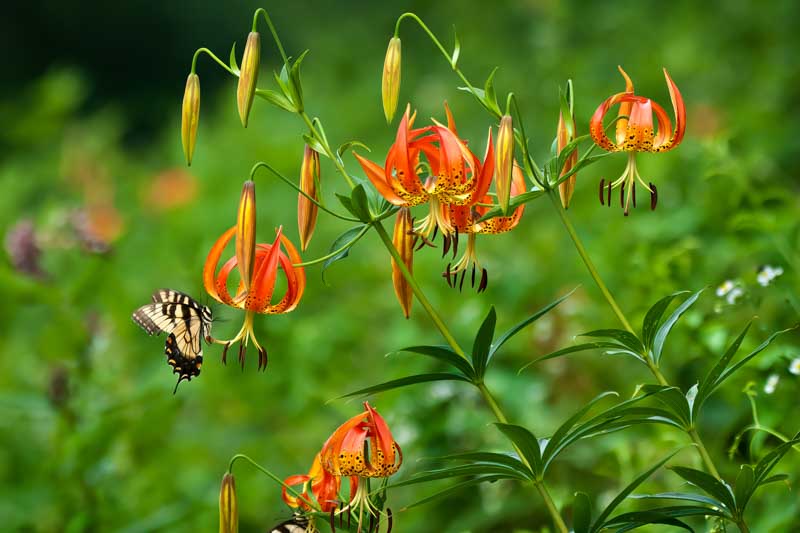
February may still feel like winter, but for North Carolina gardeners, spring planting starts now.
This is the month to step back, evaluate your landscape, and create a thoughtful plan—especially if you’re working with native plants. Planning ahead ensures stronger root establishment, healthier growth, and a more resilient garden when warmer temperatures arrive.
Here’s how to prepare for spring planting using native plants in North Carolina.
1. Start with Your Site Conditions
Before choosing specific plants, take time to observe your landscape.
Ask yourself:
-
How much sun does this area receive in spring and summer?
-
Is the soil well-drained, clay-heavy, or consistently moist?
-
Does water collect after heavy rain?
-
Are deer or rabbits active in your yard?
-
Is the space exposed to wind?
North Carolina native plants are adapted to specific ecosystems—from woodland shade to open meadow to streambank edges. Matching the right native plant to the right conditions reduces maintenance, watering needs, and long-term stress.
The key to successful spring planting is planting for the conditions you have—not the conditions you wish you had.
2. Think in Layers for a Stronger Native Landscape 
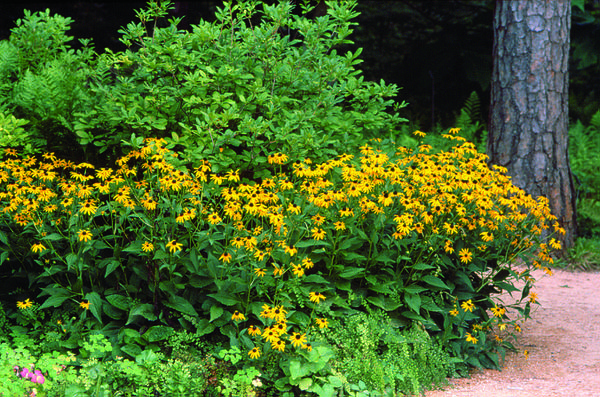
Healthy native landscapes mimic natural plant communities.
Instead of choosing a few isolated plants, consider layering:
-
Native canopy or understory trees
-
Native shrubs for structure and seasonal interest
-
Perennials for pollinators
-
Groundcovers to stabilize soil
Layered planting supports local ecosystems and provides year-round visual interest. It also creates habitat for birds, bees, and beneficial insects.
3. Choose Native Plants That Support Early Pollinators 
Early spring is a critical time for pollinators emerging from winter dormancy. Including early-blooming native shrubs and perennials provides essential nectar and pollen when little else is available.
In North Carolina, native plants that bloom in early spring play a vital role in sustaining pollinators before summer flowers arrive.
When planning your spring garden, consider:
-
Early-blooming native shrubs
-
Woodland perennials
-
Native trees that support caterpillars and songbirds
Even small garden spaces can contribute meaningfully to local biodiversity.
4. Plan for Mature Size
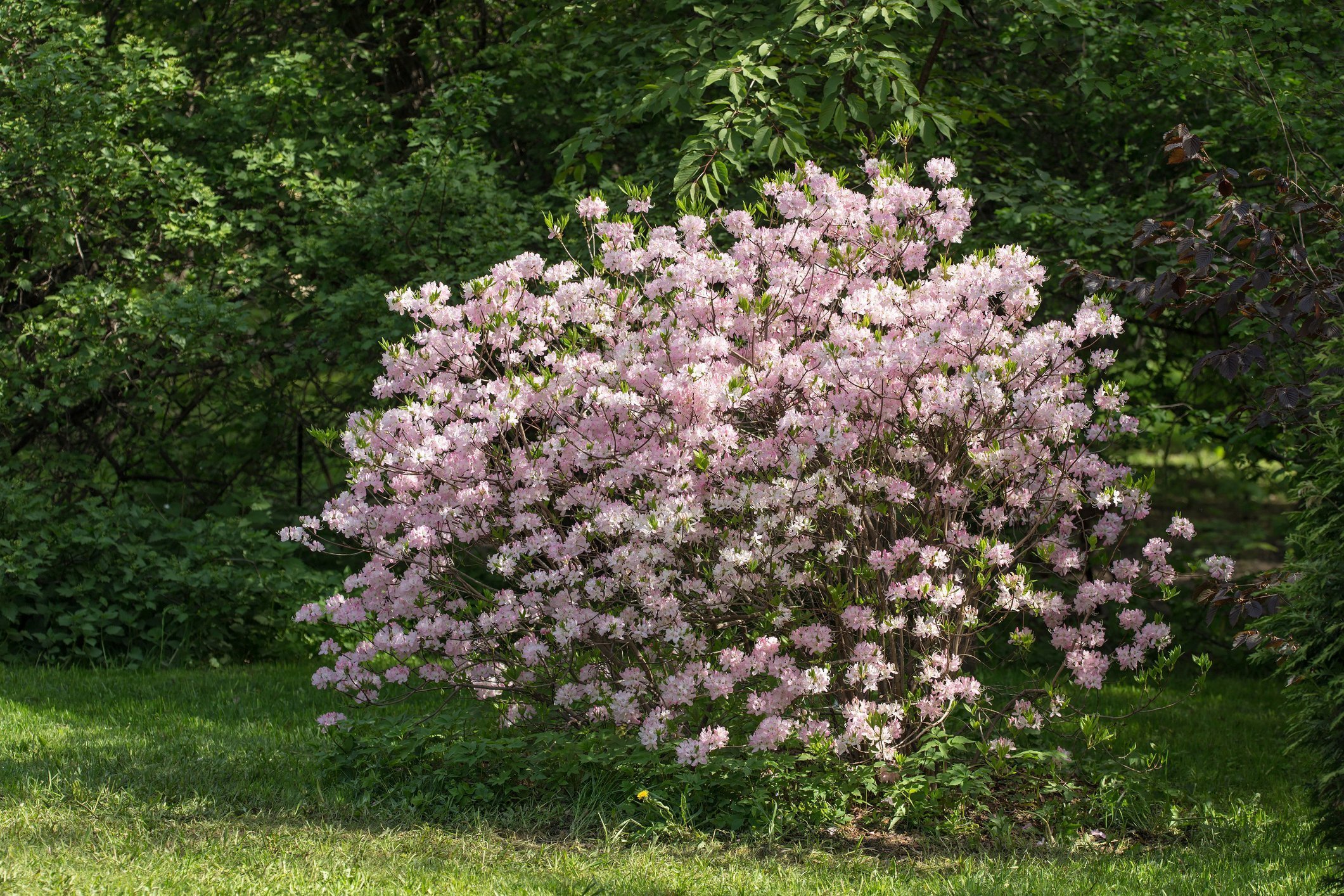
Beautiful pink rhododendron blooming in spring garden (Rhododendron vaseyi aka Pink Shell)
A common spring planting mistake is planting too closely.
Native shrubs and perennials need room to grow. Research the mature height and spread of each plant before installing it in your landscape. Proper spacing reduces competition, improves airflow, and supports healthier root systems.
Taking the time to measure and map your planting areas now will prevent crowding later.
5. Prioritize Long-Term Sustainability
Native plants in North Carolina are naturally adapted to regional rainfall and soil types. Once established, they typically require:
-
Less irrigation
-
Less fertilizer
-
Fewer chemical inputs
That said, all new plantings need consistent watering during their first growing season to establish strong root systems. February planning gives you time to prepare mulch, improve soil if needed, and design efficient watering strategies.
6. Create a Simple Planting Plan
Before visiting the nursery, sketch your garden beds.
Include:
-
Measurements
-
Sun exposure
-
Existing plants
-
Areas where you want privacy, pollinator support, or erosion control
A simple plan helps you make informed decisions and ensures your spring planting aligns with your goals.
If you’re not sure where to begin, Carolina Native Nursery offers curated planting lists on our website to help guide your selections. Visit our Retail page to explore plant lists designed specifically for North Carolina gardens.
7. Prepare Soil and Beds Early
While the ground may still be cool, February is an excellent time to:
-
Remove invasive species
-
Define planting beds
-
Add compost where needed
-
Install edging
-
Plan hardscape elements
When spring temperatures arrive, you’ll be ready to plant immediately.
Start Planning Now for a Strong Spring
Thoughtful preparation in February leads to stronger, more resilient landscapes in April and May. Native plants are an investment in your garden and in North Carolina’s ecosystems.
To explore native plant options and download planting lists, visit our Retail page at carolinanativenursery.com or stop by our nursery in Burnsville. Spring starts with preparation—and now is the perfect time to begin.
