
When most mountain gardeners hear “planting season,” their minds immediately leap to spring. We get it, the warm sunshine returns, the Blue Ridge blooms, and the urge to dig in the dirt takes over. But if you talk to experienced native plant growers in Western North Carolina, you’ll learn a simple secret: autumn is the real magic hour for planting native shrubs.
Whether you’re creating a wildlife haven, building a natural privacy screen along a mountain ridge, or enhancing your landscape with vibrant autumn foliage, planting in the fall sets your native shrubs up for long-term success with far less effort.
Here is why fall is the ideal time to add native shrubs to your garden, along with a few WNC mountain favorites grown right here in the Blue Ridge.
1. Warm Soil Meets Cool Mountain Air (The Ultimate Root Accelerator)
Spring foliage demands massive amounts of energy. A spring-planted shrub has to divide its resources between growing new leaves, producing flowers, and building roots, all while fighting rising summer heat.
In autumn across Western North Carolina, the dynamic shifts completely:
- The ground stays warm: Southern Appalachian soils hold onto summer warmth well into late fall.
- The air turns crisp: Lower air temperatures signal top foliage to slow down or enter winter dormancy.
Because the plant isn’t wasting energy on leafy top growth, it directs 100% of its energy underground. Roots continue to establish actively right up until the mountain ground freezes, giving your native shrubs a several-month head start before spring even arrives.
2. Less Watering Stress in WNC’s Microclimates
Mountain summers and unexpected dry spells can be notoriously tough on young, newly planted shrubs. In contrast, autumn brings distinct regional advantages:
- Consistent Seasonal Rainfall: Autumn weather in the southern Appalachians typically delivers gentler, steadier rain.
- Lower Evaporation Rates: Cooler days and shorter daylight hours mean WNC soils hold onto moisture much longer.
- Reduced Transplant Shock: Without intense July sun drying out the foliage, roots adjust to mountain soil with minimal stress.
Instead of dragging a hose across your slope every evening, a thorough weekly soak through October and November is usually all autumn plantings need to thrive through the winter.
3. Immediate Support for Mountain Wildlife
Native shrubs aren’t just decorative background elements, they are functional ecosystems for Southern Appalachian biodiversity. Planting in the fall offers immediate benefits to native birds, overwintering pollinators, and wildlife:
- High-Energy Berries: Species like native viburnums and hollies supply critical food for migrating birds heading down the flyway.
- Winter Shelter: Dense evergreen and deciduous branch networks provide essential shelter from harsh ridge-top winds and snow.
- Spring-Ready Pollinator Host: When spring emerges, your fall-planted shrubs will bloom on schedule, providing early-season nectar to native bees and host leaves for mountain butterfly larvae.
Top Native Shrubs to Plant This Fall (Tailored for WNC)
Ready to get digging? Here are five exceptional native shrubs natively adapted to Western North Carolina’s climate, mountain slopes, and soils:
| Native Shrub | Scientific Name | Mountain Landscape Fit | Wildlife & WNC Value |
| Flame Azalea | Rhododendron calendulaceum | Thrives in mountain acid soils and light high-canopy shade. | Iconic Southern Appalachian shrub with spectacular fiery orange blooms. |
| Mountain Laurel | Kalmia latifolia | Evergreen structure perfect for sloped mountain terrain and shaded understoreys. | Provides year-round shelter for wildlife and winter greenery across WNC ridges. |
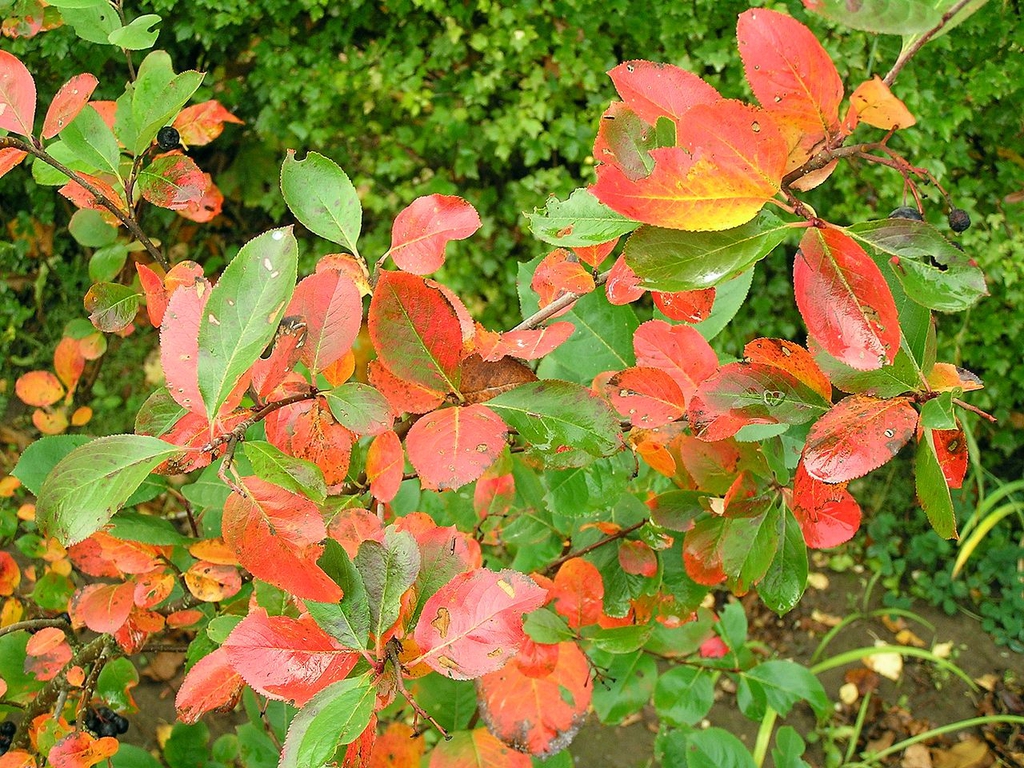
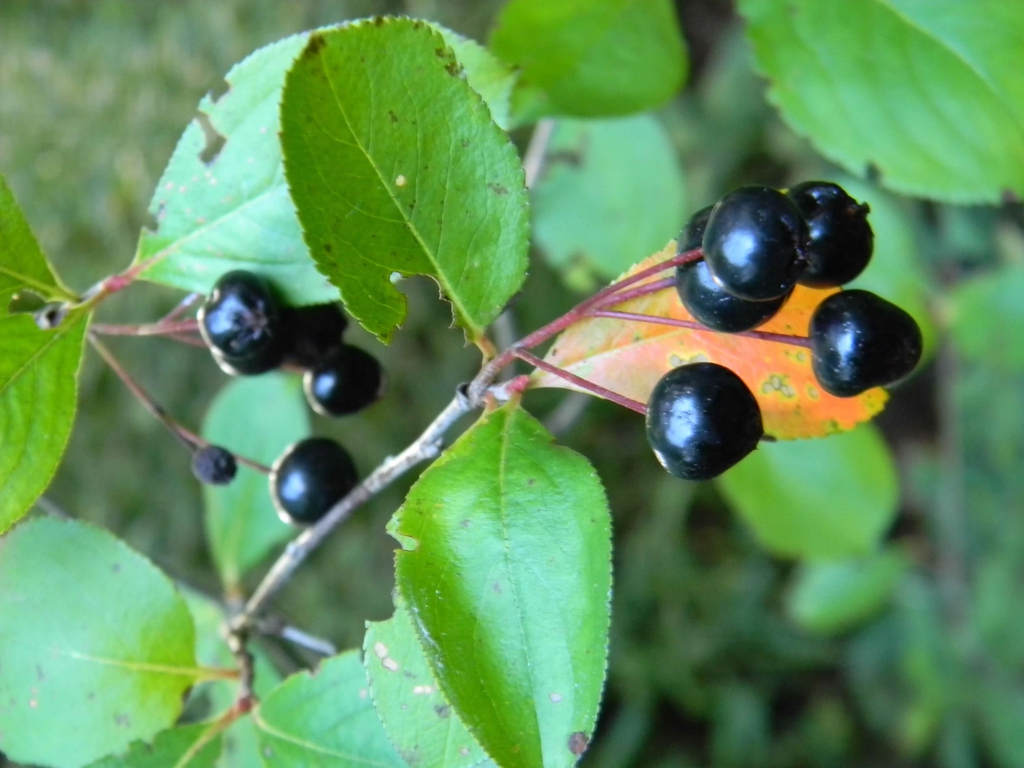
| Black Chokeberry | Aronia melanocarpa | Adaptable shrub for moist-to-average soil; tolerates full sun or part shade. | Striking red-purple fall foliage; provides late-season berries for songbirds. |
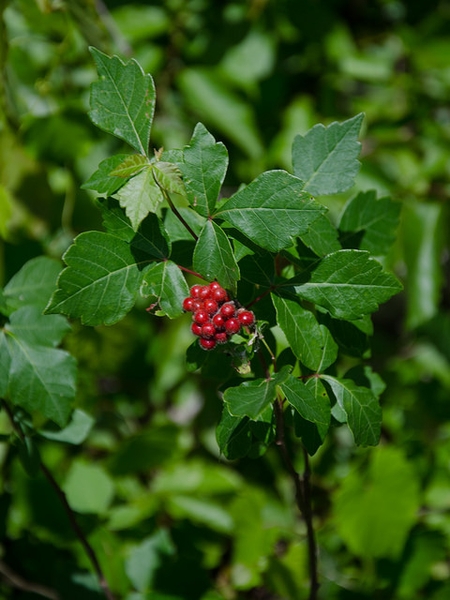
| Fragrant Sumac | Rhus aromatica (‘Gro-Low’) | Excellent groundcover shrub for dry mountain slopes and erosion control. | Brilliant scarlet autumn color; berries support overwintering bird populations. |
| Ninebark | Physocarpus opulifolius | Extremely hardy shrub that handles tough mountain soils and full sun. | Exfoliating bark adds winter interest; abundant spring flowers feed pollinators. |
| Inkberry (Shamrock) | Ilex glabra | Evergreen native shrub perfect for hedges, rain gardens, and moist soils. | Year-round privacy cover and late-season black berries for local wildlife. |
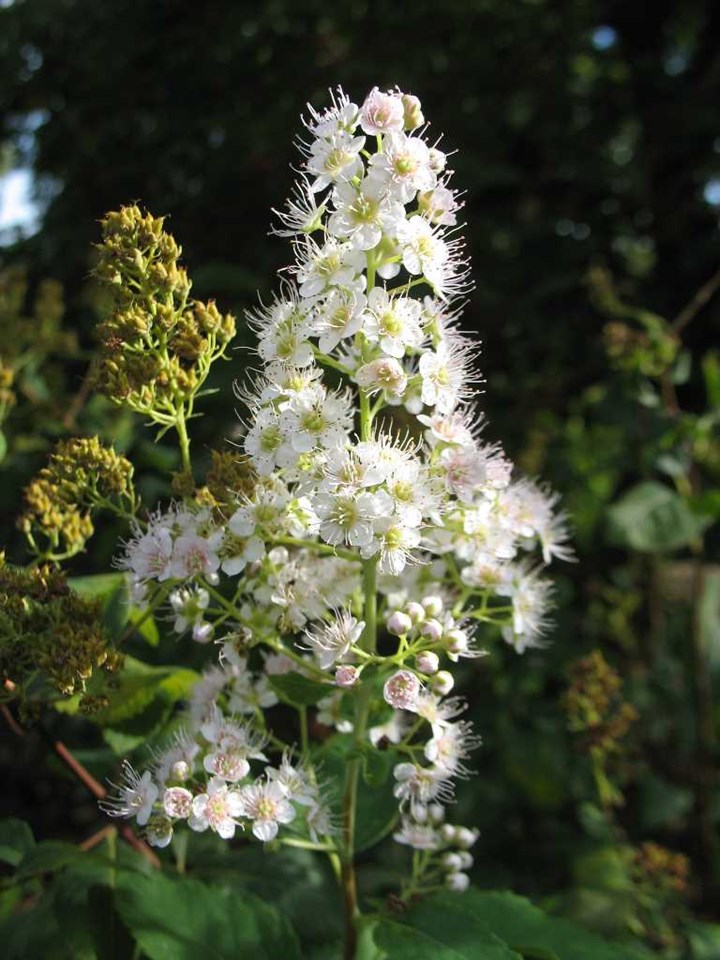
| Meadowsweet | Spiraea alba | Thrives in moist soils, stream banks, and sunny garden borders. | Delicate white summer plumes and crucial host plant for the Spring Azure butterfly. |
Simple Steps for WNC Fall Planting Success
1.Choose a Location & Check Mountain Soil:Account for slope drainage and acid soil levels.
Select a site matching your shrub’s sunlight needs and adult size. WNC soils are naturally acidic, which native species like azaleas and mountain laurels love.
2.Dig a Wide, Shallow Hole:Give roots room to spread outward into native clay or loam.
Dig a hole 2 to 3 times wider than the root ball, but only as deep as the pot. On mountain slopes, leave the root crown slightly elevated to prevent water pooling.
3.Water Deeply & Mulch Wisely:Protect roots from frost heaving during WNC freeze-thaw cycles.
Water thoroughly after backfilling. Apply a 2- to 3-inch layer of organic bark or leaf mulch to insulate roots against winter frost heaving, keeping mulch 2 inches clear of main stems.
Give Your Mountain Garden a Head Start
Skip the spring rush! By planting native shrubs in the fall, you’ll spend less time watering and more time watching your landscape take root in the Blue Ridge. Explore locally grown native shrubs at Carolina Native Nursery in Burnsville, NC to find the perfect WNC native species for your yard.