
Extreme weather and unpredictable seasons constantly test growers across the Southeast, yet few stories illustrate ecological and human resilience quite like the journey of Carolina Native Nursery.
In an episode of South Carolina ETV’s Making It Grow, featured guest Davis Sanders joined the host to spotlight regional native plants, sharing an inspiring update on how this mountain nursery turned near-total disaster into historic growth.
A High-Country Institution in Burnsville, NC
Tucked along Prices Creek Road in Burnsville, North Carolina, Carolina Native Nursery has spent more than two decades earning its reputation as one of the premier native plant growers in the Southeast. Known throughout the region for supplying native azaleas, rhododendrons, shrubs, and perennials grown directly from seed, they serve as a cornerstone for both home gardeners and commercial landscape restoration projects.
Operating under the philosophy of “Saving the Earth, One Plant at a Time,” the nursery’s role goes far beyond simple landscaping, their stock helps restore local ecosystems, curb soil erosion, and sustain native pollinators.
Facing Disaster: Hurricane Helene and the Rebound
Between the 14:20 and 17:00 mark of the Making It Grow broadcast on SECTV, Davis Sanders reflected on the catastrophic impact of Hurricane Helene on the Burnsville area.
The nursery sat directly in the path of the storm’s catastrophic flooding. Cold frames and holding yards were swept by floodwaters, washing away hundreds of thousands of container plants and threatening to wipe out decades of specialized propagation work in a single afternoon.
Yet, what could have been a permanent closure turned into an extraordinary recovery:
- A Massive Community Effort: Supported by volunteers, regional botanical gardens, and fellow growers, the team set to work clearing debris, repairing irrigation infrastructure, and rebuilding lost inventory.
- Quadrupling Production: Rather than scaling back operations out of caution, Carolina Native Nursery met the surging demand for indigenous flora by dramatically ramping up output, quadrupling their plant production to restore landscapes across both Carolinas.
In the Spotlight: The Versatile Skullcap (Scutellaria)
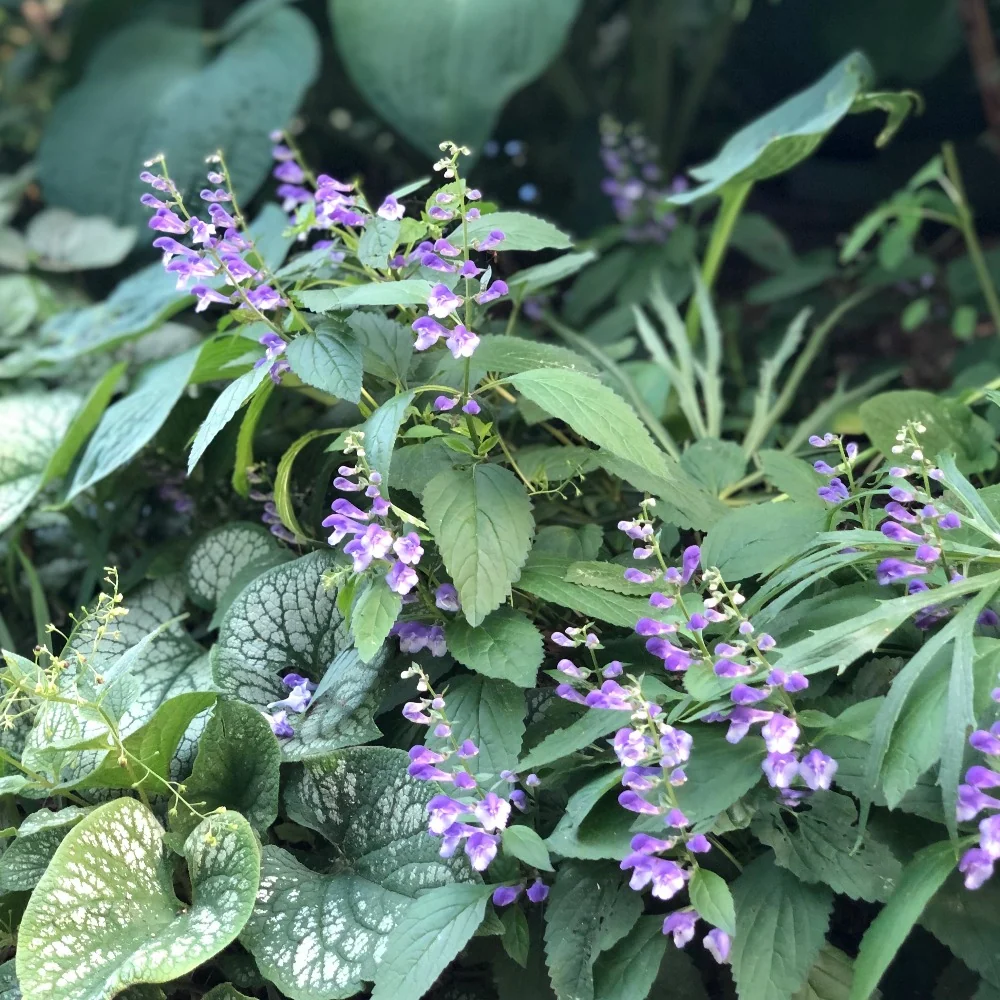
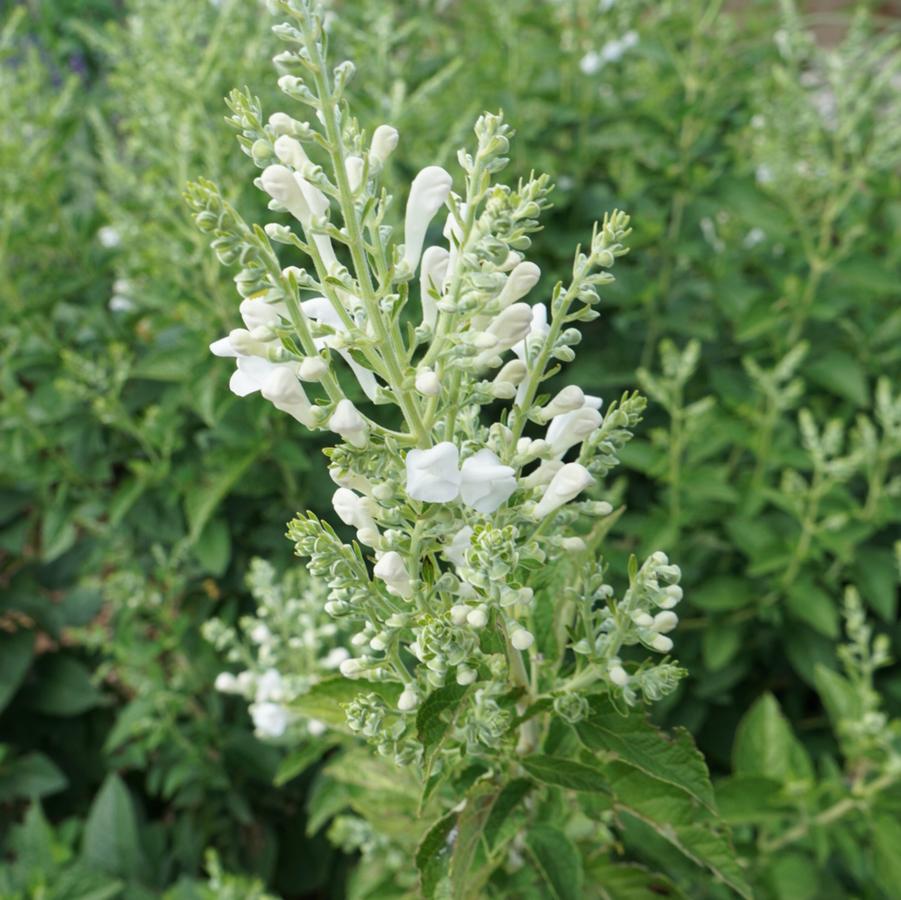
During the segment’s tabletop demonstration, Sanders brought two contrasting selections of Skullcap (Scutellaria), illustrating the balance between wild ecological forms and garden-friendly selections:
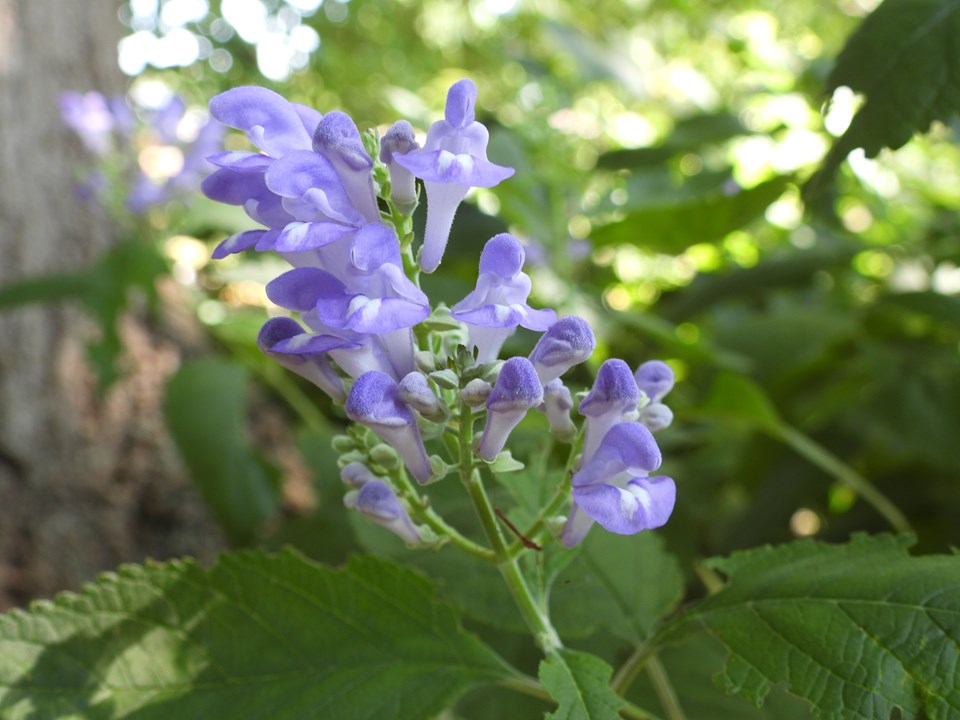
- The Cultivated Purple Skullcap:
- Growth Habit: Stays noticeably compact, bushy, and uniform compared to unselected wild types.
- Landscape Use: Perfect for manicured borders, mixed cottage plantings, and container arrangements where neatness is preferred without sacrificing pollinator appeal.
- Ecological Value: Provides tubular blooms that serve as a favorite fuel stop for native bees and hummingbirds.
- The Wild White Skullcap:
- Growth Habit: Exhibits the taller, airier, and more relaxed structure typical of natural roadside and meadow populations.
- Landscape Use: Best suited for naturalized borders, woodland edges, and dedicated pollinator corridors.
- Ecological Value: Blooms with crisp white flowers that add texture and high-contrast color while blending into multi-species native plantings.
Why Native Plants Matter Now More Than Ever
The recovery of Carolina Native Nursery reflects a broader truth about indigenous plants: they are built to endure. Because native species have adapted to the climate, soil variations, and weather patterns of the Southern Appalachians over millennia, they:
- Require significantly less synthetic fertilizer and supplemental watering once established.
- Develop deep, fibrous root systems that stabilize hillside soils and mitigate runoff during heavy rain events.
- Provide the specialized pollen, nectar, and foliage required by local insects, birds, and wildlife.
Watch the Segment on SCETV
To hear the full discussion, see the plants up close, and learn more about this remarkable recovery, tune into the Making It Grow broadcast:
- Watch the Video: SCETV: Carolina Clear Plus Expanded Food and Nutrition Programs
- Segment Timecode: Jump directly to 14:20 – 17:00 for the Carolina Native Nursery and skullcap feature.