
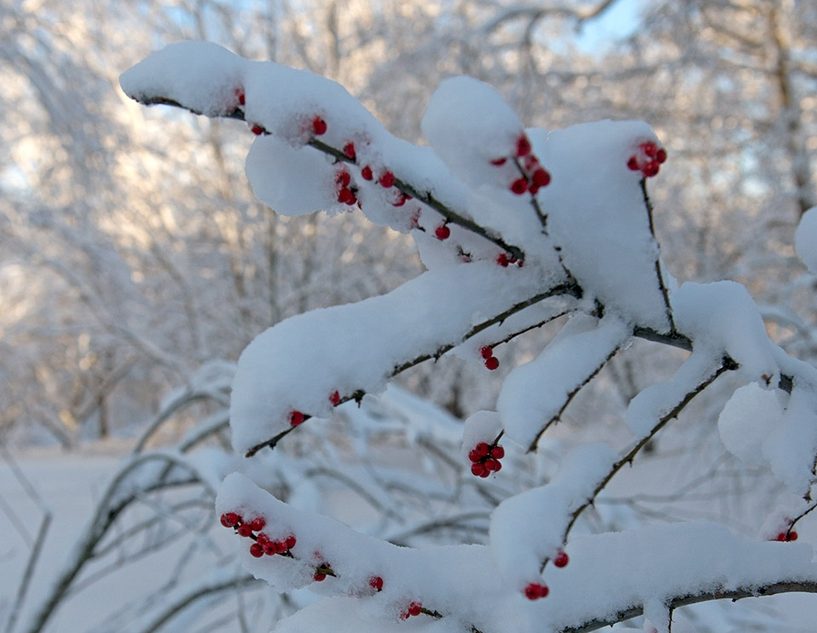
As temperatures drop across Western North Carolina, your garden begins to change. Many plants lose their leaves, perennials die back, and the landscape enters a quieter season. But even when your garden looks dormant, important natural processes are still happening beneath the surface.
Winter is a valuable time for native plants to rest, establish roots, and prepare for spring. With a few simple adjustments, you can help your native garden make it through the colder months while continuing to support local wildlife.
1. Leave Plant Stems and Seed Heads Standing
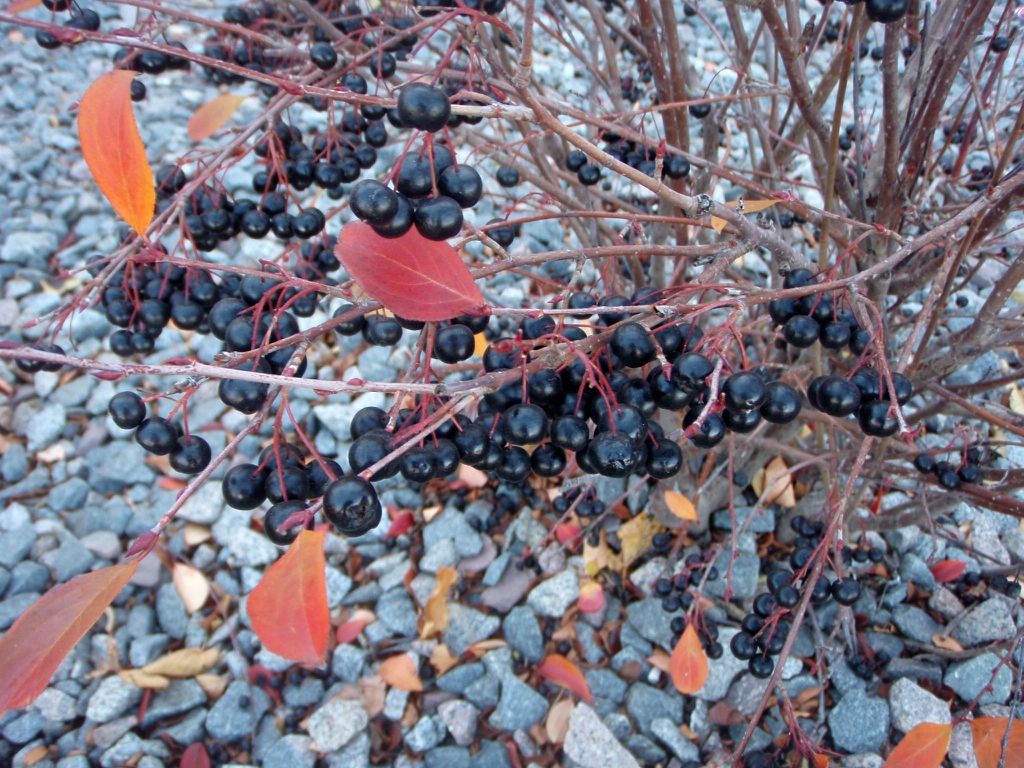
One of the easiest ways to care for your native garden in winter is to resist the urge to cut everything back.
The dried stems, seed heads, and foliage of native perennials and grasses provide food and shelter for wildlife. Birds may feed on seeds left behind by flowers such as coneflowers, while beneficial insects can overwinter in hollow stems and leaf litter.
Leaving some of your garden intact also adds texture and interest to the winter landscape. Instead of clearing every bed, consider which plants can remain standing until warmer weather returns.
When spring arrives, you can gradually trim back dead growth as new growth begins to emerge.
2. Protect Roots With a Layer of Mulch
Winter temperatures can cause the soil to freeze and thaw repeatedly, which may stress plant roots. A layer of organic mulch can help moderate soil temperatures, retain moisture, and protect roots from sudden temperature changes.
For newly planted native perennials and shrubs, mulch can be especially helpful as they establish themselves.
Apply mulch around the root zone while keeping it pulled back from the base of stems and trunks. Avoid piling it directly against the plant, as excessive moisture around the crown or stem can contribute to problems.
Leaves can also provide natural insulation and habitat. Whenever possible, leave some leaf litter in garden beds rather than removing every fallen leaf.
3. Water During Dry Periods
Although plants grow more slowly in winter, they may still need water. Evergreen plants, newly planted shrubs, and other recently established natives can be vulnerable to drying out, particularly during extended periods without rain.
Check soil moisture during warmer stretches of winter. If the ground is dry and not frozen, watering on a mild day can help prevent plants from becoming dehydrated.
Avoid watering frozen soil or allowing plants to remain in consistently waterlogged conditions. Understanding your garden’s drainage and the needs of individual plants will help you determine when watering is necessary.
4. Give Newly Planted Natives Extra Attention
Fall is an excellent time to plant many native perennials and shrubs because cooler temperatures can reduce heat stress while roots continue developing.
However, newly planted natives may need a little more attention during their first winter than established plants. Check that mulch remains in place, monitor soil moisture during dry weather, and watch for areas where water collects after heavy rain.
Choose plants suited to your specific growing conditions, including sunlight, soil type, moisture, and elevation. Native plants are adapted to local environments, but individual species still have different needs.
5. Avoid Over-Cleaning Your Garden
A tidy garden does not have to mean a completely cleared garden.
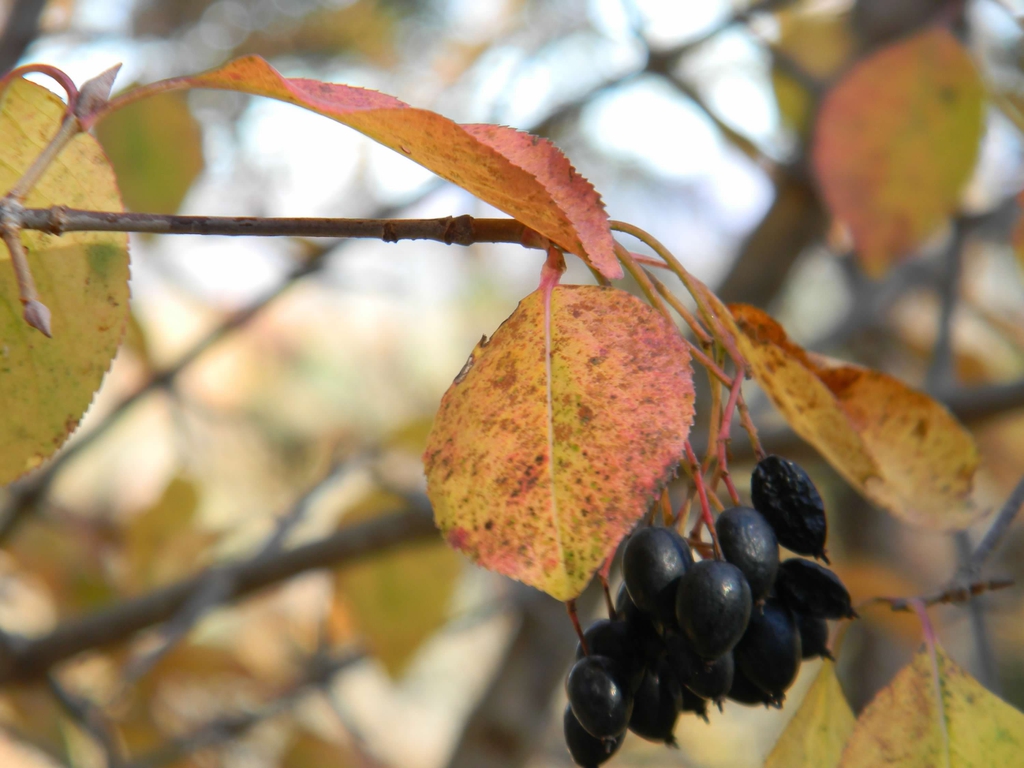
Many beneficial insects use fallen leaves, stems, and other natural materials as winter shelter. Removing all this material can eliminate habitat that supports the wildlife your garden is designed to attract.
Instead, take a more selective approach to fall and winter cleanup. Remove diseased plant material when necessary, clear paths and areas where debris creates problems, and leave healthy stems and leaves where they can benefit the ecosystem.
This approach can also reduce unnecessary work while allowing your garden to function more naturally.
6. Plan Ahead for Spring
Winter is a great time to evaluate your landscape and decide what you would like to add when the next growing season arrives.
Consider where your garden could benefit from additional flowering perennials, native grasses, ferns, or shrubs. Think about extending bloom times, creating more pollinator habitat, or filling areas where plants have struggled.
Reviewing your garden’s conditions now can help you make thoughtful choices rather than buying plants simply because they look appealing at the nursery.
Let Your Native Garden Rest Naturally
Caring for native plants in winter is often less about doing more and more about knowing when to leave nature alone. Standing stems, fallen leaves, protected roots, and appropriate watering can all help your garden transition through the colder months.
At Carolina Native Nursery, we believe healthy landscapes begin with plants that belong in the places where they grow. By choosing native species and caring for them with their natural cycles in mind, you can create a garden that supports wildlife and brings beauty to your landscape throughout the year.
Planning your next native planting project? Visit the Bee Native Plant Shop at Carolina Native Nursery to explore our selection of native perennials, ferns, grasses, and shrubs. Our team can help you find plants suited to your garden’s unique conditions and prepare for a beautiful new growing season.